 Categories
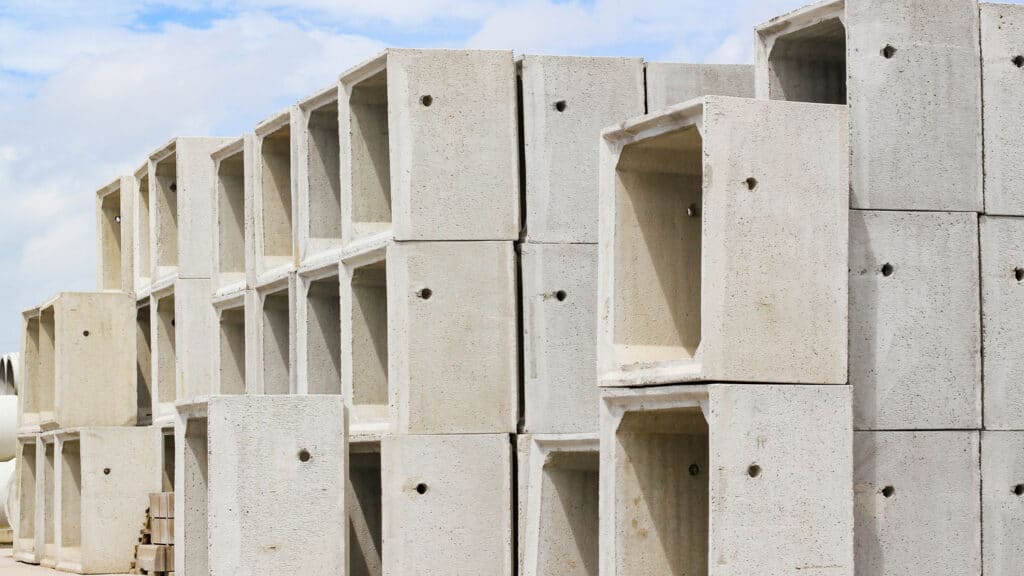
Today’s construction environment demands more than brute force. You need speed, reliability, and results you can trust. Yet, traditional site-poured concrete often slows everything down—weather delays, unpredictable labor, and inconsistent quality all take their toll.
That’s why more builders, engineers, and developers turn to precast concrete construction.
Precast concrete flips the script. Manufacturers cast and cure each component off-site in a controlled facility, which means teams can prep the job site while production happens in parallel. This approach accelerates timelines, reduces disruptions, and consistently delivers stronger, more reliable structures.
As cities grow and infrastructure ages, contractors need scalable solutions that hold up under pressure. Precast concrete checks every box—and it’s not just trending. It’s becoming essential.
Precast concrete consists of concrete elements that manufacturers cast in a factory setting, cure under optimal conditions, and deliver ready to install. That’s a huge leap forward from cast-in-place (or casted concrete), which crews pour and cure on-site, often at the mercy of weather, labor shortages, and material variability.
Here’s why prefabricated concrete construction stands out:
In contrast, site-cast concrete exposes teams to real-time weather, requires longer on-site staging, and typically takes more time and labor to install. With precast, you skip the mess and go straight to the build.
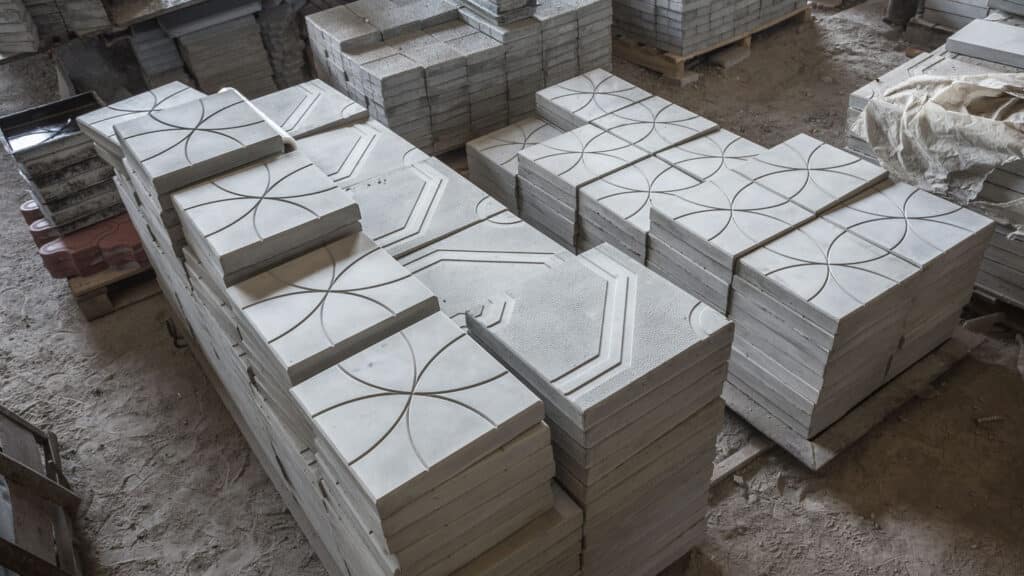
Understanding the full precast concrete process helps you see how much time and stress it can save on-site. Here’s how Harper Precast makes it all happen:
Harper’s team starts by working with your engineers and architects to identify exactly what your project needs, down to the last detail. Whether you’re building retaining walls, stormwater vaults, or sound barriers, our team ensures your specs drive the design.
Our engineers dive in as soon as we finalize the design concept. They define load requirements, reinforcement strategies, connection types, and finish details with precision. Every precast concrete detail meets structural demands and aligns with all applicable codes and regulations—no guesswork, no shortcuts.
We fabricate custom molds using steel or fiberglass, depending on the project’s complexity. These molds create precise, repeatable shapes for your precast components—perfect down to the millimeter. Then we pour, compact, and begin curing.
We cure each piece in a controlled environment that meets exact temperature and humidity standards. During this time, our quality control team inspects dimensions, concrete strength, and surface finish—all in line with PCI and UDOT standards.
After curing, we transport each unit to your site, crane-ready and on time. We coordinate directly with your install crew or offer in-house installation services to streamline everything from the first lift to final placement.
Harper Precast’s full-service approach ensures seamless execution from design through delivery.
Builders choose modern precast concrete because it solves real-world problems—not just on paper, but on the ground.
Because we cast components off-site while your crews prep foundations or utilities, you save weeks (sometimes months) on the overall schedule. Installation happens in hours, not days.
Our controlled curing process produces concrete that resists weather, seismic loads, and chemical exposure. It lasts longer and performs better than site cast concrete under pressure.
Precast reduces labor hours, avoids weather delays, and minimizes rework. This results in tighter bids, clearer cost projections, and fewer surprises.
You won’t need massive pour days, large staging areas, or big cleanup crews. With precast concrete installation, the mess stays off-site, and the build moves forward.
We hold PCI B2/C2 Certifications, the UDOT Gold Class Producer Award, and decades of experience across public, private, and commercial projects. Add our in-house install capabilities, and you’ve got a true end-to-end partner.
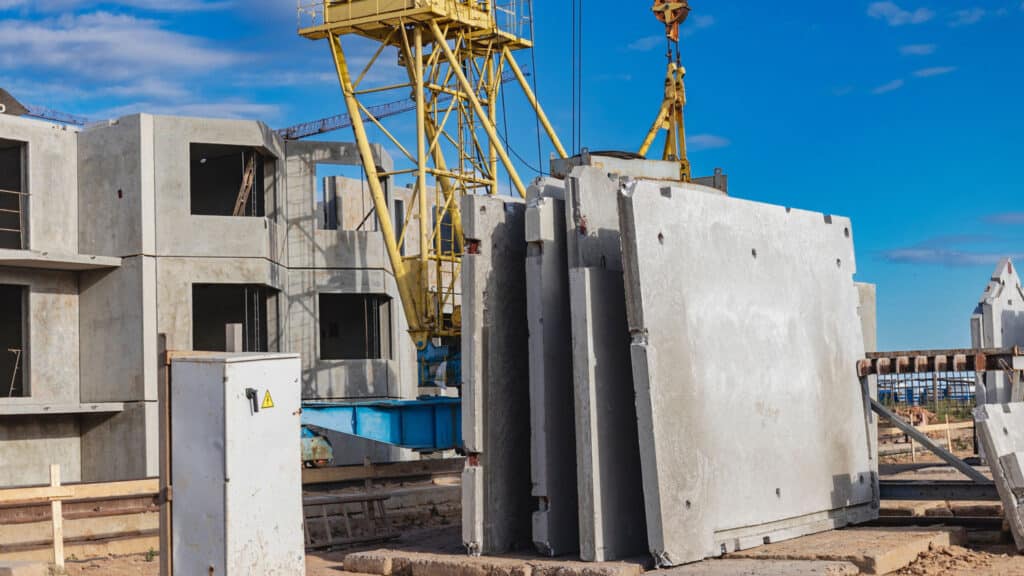
Precast isn’t a niche tool—it’s a construction essential. Here’s what Harper delivers across sectors:
We create structural and non-structural precast concrete elements in a wide range of shapes, frames & finishes; all custom-built to fit your plans.
Precast concrete is only as strong as the company behind it. Here’s what to look for when evaluating providers:
Ensure the plant is PCI certified. For public projects, UDOT approval is non-negotiable.
Look for a track record in your industry. Harper Precast has over 50 years of experience in precast concrete building construction.
Can they handle curved forms? Unique finishes? Special precast concrete connections? You’ll want flexibility, not “standard only.”
You need components that arrive on time and install without chaos. Harper handles logistics, delivery, and installation coordination in-house.
When your timeline, budget, and safety are on the line, choose a precast partner who owns the whole process, not just a part of it.
Yes. While the upfront material costs may be similar, precast concrete slashes labor, cuts delays, and reduces costly rework, saving you money overall.
Absolutely. We design custom precast concrete frames, finishes, and structural specs based on your project’s unique needs.
50+ years. Our curing process produces high-strength elements that outlast traditional pours, especially in demanding environments.
Yes. Installing precast concrete results in less waste, better material efficiency, and fewer emissions compared to site-poured concrete. Many products use recycled materials and low-carbon cement mixes.
Precast concrete gives you speed, strength, and certainty. When you combine Harper Precast’s experience, in-house services, and certified quality, you get more than concrete—you get peace of mind.
Whether you’re planning a municipal infrastructure upgrade or a private development, we’re ready to support your vision.
Ready to bring your next project to life with precast that performs? Let’s talk.
Need help planning your layout? Our team’s here to guide you—start the conversation today.


