 Categories


Concrete choice shapes everything from budget to timeline to finish quality. Most teams pick between two proven methods. Cast-in-place concrete is formed and cured at the jobsite. Precast concrete is produced in a controlled plant, then delivered and set. This guide explains how each method works, where each shines, and how to make a confident… Read more »
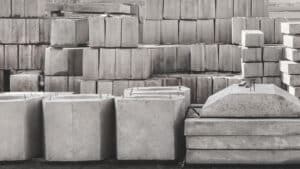
Why Precast Concrete Deserves a Closer Look Today’s construction environment demands more than brute force. You need speed, reliability, and results you can trust. Yet, traditional site-poured concrete often slows everything down—weather delays, unpredictable labor, and inconsistent quality all take their toll. That’s why more builders, engineers, and developers turn to precast concrete construction. Precast… Read more »
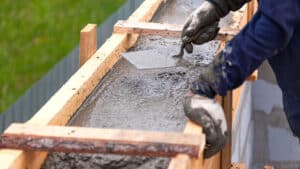
The construction industry is standing at a crossroads. With buildings and infrastructure responsible for nearly 38% of global CO₂ emissions (World Green Building Council), embracing more sustainable construction methods isn’t just a trend—it’s a necessity. While concrete often carries the stigma of high environmental impact, precast concrete is flipping the script. Through streamlined manufacturing, reduced… Read more »
As a long-standing staple in the construction industry, precast concrete is known for its strength, durability, and versatility. Though popular in various construction applications such as precast concrete buildings and infrastructure projects, precast concrete has recently gained attention for its innovative applications in modern architecture. From sleek, futuristic designs to sustainable precast materials for public building solutions,… Read more »
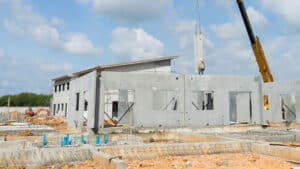
Sustainability is no longer a trend—it’s the standard for modern construction. Developers, architects, and contractors are prioritizing green building materials to meet environmental regulations, improve energy efficiency, and increase property value. The Leadership in Energy and Environmental Design (LEED) certification has become the benchmark for sustainable construction, guiding projects toward environmentally responsible choices. Precast concrete… Read more »
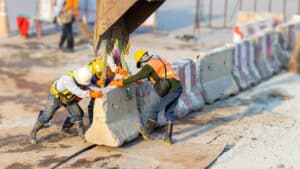
The Role of Precast Concrete in Natural Disaster Resilient Construction As natural disasters continue to cause devastation across the country, the need for resilient infrastructure has become increasingly critical. Because of its durability, versatility, and strength, infrastructure precast concrete solutions are emerging as key building materials in fortifying buildings, bridges, and other structures against the… Read more »
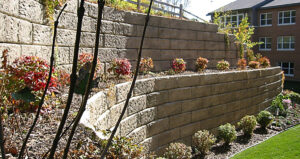
What is the best way to construct a retaining wall? If you want to build a retaining wall that will last for years, you must follow a few simple rules. It’s critical to have solid construction materials and proper drainage. First, choose the material from which you’ll build the retaining wall. Natural stones, concrete blocks,… Read more »
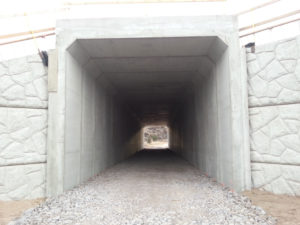
Concrete culverts might not be a topic you think about a lot, but they are something you use more often than you realize. Box culverts allow water to flow under roadways, railways, trails, or any other obstruction. Since roads are a main medium of transportation, precast concrete culverts are an integral part of that process…. Read more »
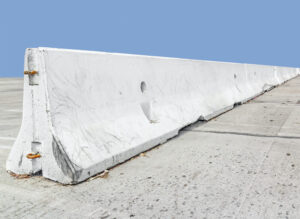
Take a drive down the highway, and you will notice the concrete barriers lining the off-ramps. These barricades are a normal part of everyday life that you probably only think about it when avoiding it as you drive. You might even notice them being used as flood-walls when hurricanes and flash floods occur throughout the… Read more »
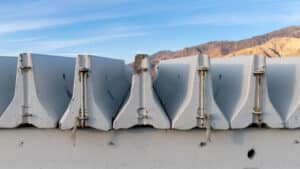
Concrete barriers are a staple in our everyday lives that you probably take for granted. You see concrete barriers the most in construction zones, pedestrian walkways, trafficked roads, and near heavy machinery. However, people are beginning to use concrete barriers in more creative ways, including security barriers, fences, skate parks, urban landscaping, benches, and other… Read more »


