 Categories
Sustainability is no longer a trend—it’s the standard for modern construction. Developers, architects, and contractors are prioritizing green building materials to meet environmental regulations, improve energy efficiency, and increase property value. The Leadership in Energy and Environmental Design (LEED) certification has become the benchmark for sustainable construction, guiding projects toward environmentally responsible choices.
Precast concrete is a game-changer in sustainable building. Its energy efficiency, waste reduction, and durability make it a valuable material for achieving LEED certification. Whether you’re designing a commercial structure, residential development, or infrastructure project, precast concrete offers a sustainable solution without compromising strength, aesthetics, or cost-effectiveness.
LEED (Leadership in Energy and Environmental Design) is a globally recognized certification system developed by the U.S. Green Building Council (USGBC). It evaluates buildings based on sustainability criteria, including:
LEED-certified buildings offer multiple benefits, including:
By integrating sustainable materials like precast concrete, projects can reduce environmental impact and earn valuable LEED credits in multiple categories.
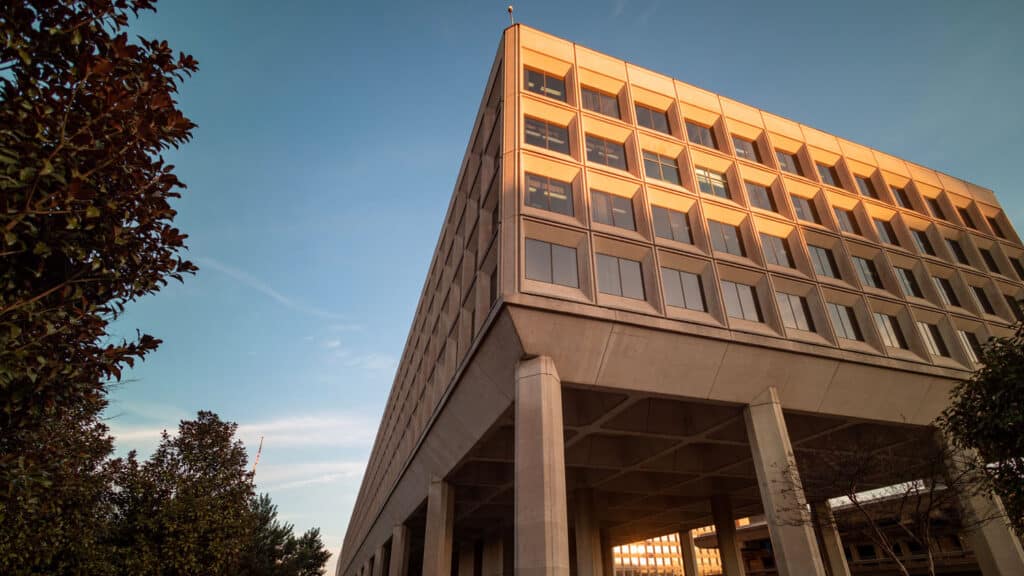
Precast concrete helps earn LEED credits in the Materials & Resources category by:
Precast concrete contributes to LEED’s Energy & Atmosphere category by optimizing thermal mass. This means:
Off-site precast manufacturing reduces on-site waste and enhances sustainability by:
Precast concrete’s longevity contributes to LEED’s Building Life-Cycle Impact Reduction category by:
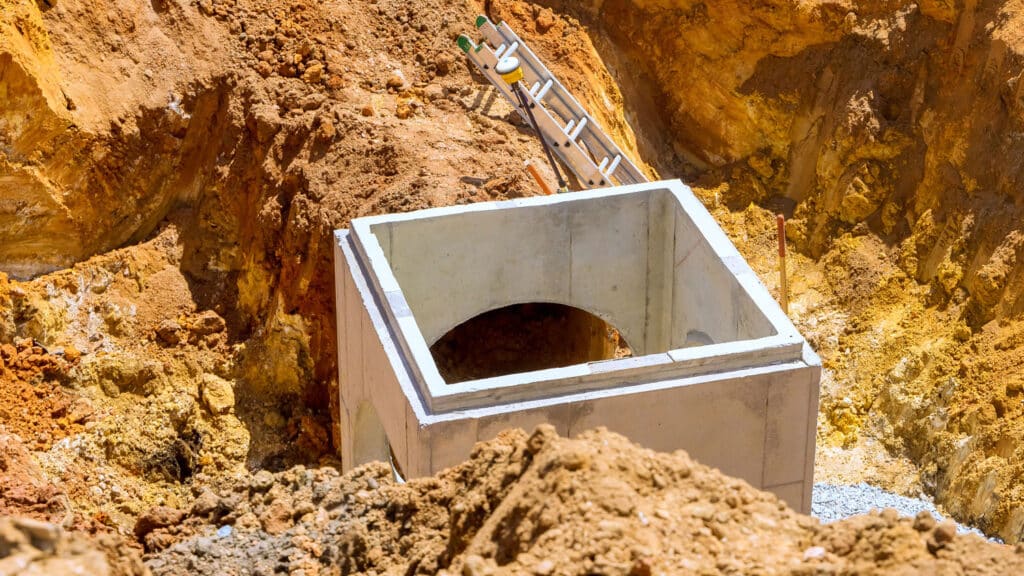
Precast concrete plays a role in sustainable water management by:
Precast concrete walls enhance indoor air quality and occupant well-being by:
When selecting precast concrete, look for suppliers that:
Precast concrete can be tailored to meet specific LEED certification requirements, including:
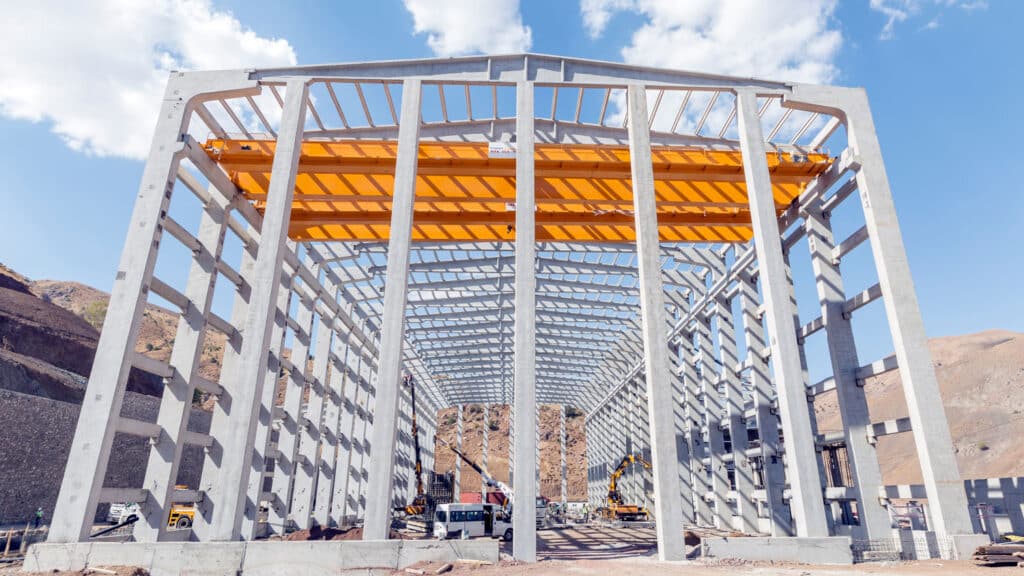
By choosing precast concrete, developers, architects, and builders can achieve LEED certification goals while maintaining efficiency, durability, and cost-effectiveness. Its sustainable material sourcing, thermal efficiency, waste reduction, and long-term durability make it an essential component of modern green construction.
Looking to integrate eco-friendly precast solutions into your next project? Contact Harper Precast today to learn how our sustainable precast concrete products can help you meet LEED and other green building standards.


